
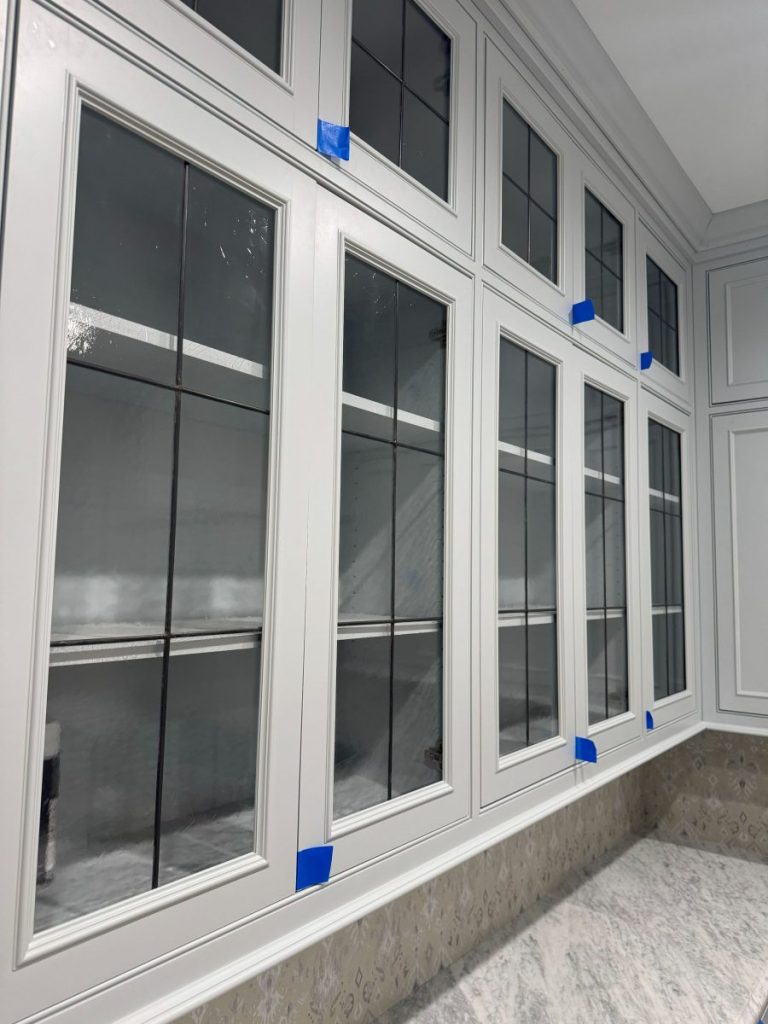
The most intricate pattern isn’t always the best choice for a cabinet. With leaded glass cabinet inserts, the right design balances visual detail with what you store behind the glass and how the cabinet fits into the room.
It’s natural to wonder whether a decorative pattern will reveal too much or make cabinet contents hard to see. To decide, consider the glass alongside the door frame, cabinet finish, hardware, room lighting, and the items you plan to display. Thinking about the insert as part of the whole cabinet makes it easier to choose a design that feels intentional.
This guide explains how leaded glass is constructed, how pattern and light affect its appearance, and how to assess whether a design suits your cabinetry and its purpose. It also covers what to gather before planning a custom insert, including cabinet details, room references, and preferences for pattern and visibility. Casa Loma Art Glass designs and fabricates custom cabinet glass inserts, turning those preferences into a project-specific design.
Key Takeaways
- Understand how joined glass sections and visible lead lines create the distinctive look of a leaded insert within a cabinet door.
- Consider pattern scale, line density, and changing light to find leaded glass cabinet inserts that suit your preferred balance of detail and visibility.
- Compare the decorative character of leaded glass with the simpler appearance of plain glass to choose an approach that feels at home in your room.
- Gather cabinet photos, room references, and examples of patterns you like to give your design direction a clear starting point.
- See how Casa Loma Art Glass can translate your preferences into a custom design and fabricate an insert tailored to your cabinetry.
Table of Contents
- What Are Leaded Glass Cabinet Inserts, and What Makes Them Distinctive?
- How Pattern, Light, and Visibility Shape Leaded Glass Cabinet Inserts
- Is Leaded Glass Right for Your Cabinets? Compare the Design Trade-Offs
- How to Plan Leaded Glass Cabinet Inserts Before the Design Begins
- How Casa Loma Art Glass Brings Custom Leaded Cabinet Inserts to Life
What Are Leaded Glass Cabinet Inserts, and What Makes Them Distinctive?
A leaded glass cabinet insert is a decorative panel made from sections of glass joined by visible metal lines. Those lines form part of the pattern. The insert is the glazed portion fitted into a cabinet door, while the surrounding frame holds the glass in place and connects the door to the cabinet.
A leaded glass cabinet insert is a patterned glass panel formed by joining glass sections with visible metal lines and fitting the panel into a cabinet door. The name describes the glass’s construction and appearance, not a specific pattern or level of ornament. Leadlight (leaded glass) is a traditional art form. Its enduring appeal comes from making the lines between the glass sections part of the finished design.
Homeowners often choose leaded glass to add character to a cabinet front, introduce visual interest, or create a crafted focal point. The glass can also allow light to pass through, though the effect depends on the glass and design. A considered insert relates to the surrounding cabinetry instead of looking like decoration added as an afterthought.
How the Leaded Pattern Shapes the Glass Panel
Lines and shapes divide the panel into a deliberate composition. A design with a few broad sections may feel calm and open, while more frequent lines can give it a finer, more intricate appearance. Scale matters, too: a small, detailed motif may look busy across a broad cabinet door, while a larger pattern can make a stronger statement on a compact panel.
Consider the door’s proportions alongside the cabinetry’s existing details. If the cabinet has prominent trim, hardware, or strong wood grain, a simpler pattern may provide balance. A more elaborate design can suit a quieter cabinet front when you want the glass to draw the eye. These are design choices, not fixed rules. A custom pattern can be shaped around the room’s character.
Where Leaded Inserts Can Add Character
Kitchen cabinetry is a familiar setting, especially when selected doors create a display area among simpler cabinet fronts. The same approach can bring distinction to a dining-room hutch, a built-in bookcase, or other display cabinetry. In each setting, the insert adds pattern and changes how light moves through the cabinet, while the cabinet remains practical storage.
To help the glass complement its surroundings, look at the cabinet finish, nearby colors, room lighting, and other decorative lines. A geometric pattern might echo the cabinet’s structure, while a flowing arrangement can soften a room with many straight edges. Consider what will sit behind the panel, too. Display objects and their colors become part of the view. The aim is a considered relationship between glass, cabinet, and room, with the insert offering a focal detail that still feels at home.
How Pattern, Light, and Visibility Shape Leaded Glass Cabinet Inserts
Cabinet glass is seen in context: against its frame, beside neighboring doors, and under the room’s changing light. In leaded glass cabinet inserts, the lines that organize the design can feel quiet and orderly or become a strong decorative feature. Their effect depends on the pattern, the panel’s size, and what surrounds it.
More closely spaced lines tend to give an insert a busier, more intricate visual impression, while broader spaces between lines can make the pattern feel simpler and more open. This is a useful starting point, not a strict rule. Shapes, contrast, and the glass chosen for a project also influence how the composition reads. For broader background on the craft, the Stained Glass Association of America offers information about stained and leaded glass.
Light adds another dimension. Changing daylight and interior lighting can alter reflections and illumination, so a panel may look different from various spots in the room. A design viewed head-on may appear different from one seen at an angle or from across the kitchen. Consider the cabinet in its actual setting instead of judging a pattern from a small image alone.
Choosing a Pattern Scale That Suits the Cabinet
A restrained pattern can sit comfortably among detailed cabinetry, while a more prominent arrangement can give a plain cabinet front a focal point. Neither is automatically the better choice. Consider the size of each door, the amount of surrounding wood or trim, and whether neighboring cabinet fronts will also feature glass. A pattern that feels balanced on one door may read differently when repeated across a larger run.
Look at the full composition. For several doors, decide how the lines and shapes should relate across the cabinet fronts. A repeated design can create a consistent look, while variation can draw attention to selected doors. Room details matter as well: patterned flooring, decorative hardware, and other prominent features all contribute to the overall impression.
Balancing Decorative Detail With What Sits Behind the Glass
Begin with the cabinet’s purpose. A display cabinet holding cherished objects may call for a design that frames what you want to see, while everyday storage may make visibility a more practical concern. Keep two questions separate: how much pattern you want and how clearly you want to see the contents. The lead lines affect the design, but they don’t by themselves determine visibility.
Leaded lines add visual structure, but they don’t automatically hide cabinet contents or create privacy. Visibility depends on the selected glass and the design as a whole. Before settling on a direction, consider what will sit behind each panel and whether you want those objects to be a visible part of the room. This grounds the choice in both the cabinet’s use and the atmosphere you want the glass to create.
For a custom project, notes about the cabinet’s surroundings, preferred pattern scale, and display needs help set a clear design direction. Explore custom cabinet glass inserts and consider how a tailored panel could suit your cabinetry.
Is Leaded Glass Right for Your Cabinets? Compare the Design Trade-Offs
Choosing cabinet glass is a question of visual character as much as material. A leaded insert gives the door a pattern formed by visible lines and shapes, while a simpler glass panel keeps the surface more uninterrupted. Neither choice is inherently better. The right fit depends on how much detail you want in the room, what surrounds the cabinets, and whether the doors should stand out or blend in.
Leaded glass doesn’t have to feel formal or ornate. Its pattern can be restrained, geometric, or expressive, and the cabinet frame and surrounding finishes influence how it reads. The comparison below can help you decide which direction suits your space.
| Consideration | Leaded glass insert | Simpler glass panel |
|---|---|---|
| Visual effect | Visible lines and shapes add pattern and crafted detail. | A more uninterrupted surface keeps attention on the cabinet contents or overall cabinetry. |
| Design role | Can act as a decorative feature or echo details elsewhere in the room. | Can support a quieter, less patterned cabinet front. |
| Planning consideration | Consider the pattern’s scale and how its lines relate across doors. | Consider how the panel’s simplicity works with the cabinet frame and displayed items. |
Leaded Glass Versus a Simpler Glass Cabinet Panel
A patterned insert makes its design part of the cabinet front, so the eye may notice the glass before or alongside what’s behind it. An uninterrupted panel places less emphasis on internal lines and can suit a room where other features already provide plenty of visual interest. Consider the desired level of detail across the whole space, not just on one door. Pattern may add presence to a focal-point cabinet; simplicity may feel more composed among richly detailed finishes.
Matching the Insert to Cabinet Style and Room Character
Start with the cabinet’s lines, finish, hardware, and neighboring surfaces. A custom pattern can respond to these details through its shapes, spacing, and overall rhythm, helping the glass feel integrated rather than imposed. That doesn’t mean matching every element exactly. The aim is a thoughtful relationship: the insert can echo existing accents or provide contrast while still feeling at home in its setting.
For leaded glass cabinet inserts, consider the doors as a group as well as individually. A pattern repeated across several fronts creates a different impression from a single feature door among simpler panels. Think about what the glass will frame and how the cabinet relates to nearby decorative details. Weighing these choices together helps you decide whether the room calls for a crafted focal point, a quieter glass surface, or a balance of both.

How to Plan Leaded Glass Cabinet Inserts Before the Design Begins
A clear starting point makes a custom glass project easier to plan. Before settling on a pattern, consider what the cabinets are for, how the glass should look in the room, and what the existing doors require. These details connect your inspiration to a design that belongs with the cabinetry rather than feeling like a separate idea.
A useful design brief brings together cabinet purpose, door dimensions and construction, room context, and visual preferences. You don’t need a finished design before you begin. A few considered notes and reference images can give the design a practical starting point.
Create a Useful Design Brief for a Custom Insert
Start by identifying which cabinet doors you’re considering and what each cabinet holds. A display cabinet for treasured objects may call for a different visual direction than one used for everyday storage. Note the pattern character you’re drawn to, how visible you want the contents to be, and the broader feel of the room. Reference images can communicate qualities you like, such as open spacing or intricate lines, without serving as exact templates.
- Identify the cabinet’s purpose. Decide which doors may receive inserts and whether they frame display items or everyday contents.
- Gather cabinet and room references. Take clear photographs of the cabinet fronts and collect images that show the surrounding interior, finishes, and details.
- Describe your preferences. Note pattern qualities you like, your visibility priorities, and the overall design direction you want the glass to complement.
- Record project information. Include the relevant door dimensions and details about how each door is constructed. These details help guide insert planning, without requiring you to settle the design first.
- Refine the visual direction. Bring the practical information and references together so the design can be shaped around the cabinet and your goals.
Coordinate the Glass Design With the Existing Cabinet
Photographs are most useful when they show both the cabinet clearly and its relationship to the room. Include the door frames, hardware, adjacent finishes, and nearby decorative accents. This context helps you decide whether the glass should echo an existing line or introduce a contrasting detail. Door dimensions and construction also inform how the insert relates to its frame, so include those details with your visual references.
Move From Design Idea to Custom Fabrication
With the cabinet’s purpose, visual references, and project details in hand, a custom glass design can be developed around your goals. The work moves from setting the visual direction to shaping a tailored design and fabricating the glass. Considering the cabinet throughout helps connect your initial inspiration to the finished panel and its intended setting.
Casa Loma Art Glass designs and fabricates custom cabinet glass inserts, bringing your preferences into a considered, project-specific design. Explore custom cabinet glass work and start shaping your ideas into a design direction.
How Casa Loma Art Glass Brings Custom Leaded Cabinet Inserts to Life
A custom cabinet insert is most successful when its design reflects both your vision and the cabinet’s role in the room. Casa Loma Art Glass designs and fabricates custom cabinet glass inserts, shaping each design around the project rather than relying on a one-size-fits-all pattern. The result brings decorative character to cabinetry while remaining connected to its everyday purpose.
Begin by considering what you want the glass to contribute. You might want a focal point on selected cabinet doors, a pattern that complements existing finishes, or a design that frames objects on display. Photographs of the cabinetry, room references, and examples that capture qualities you like can make those preferences easier to describe. They provide a starting point, not a requirement to reproduce a particular design exactly.
A Bespoke Design That Begins With Your Vision
Every cabinet has its own context: door proportions, surrounding materials, hardware, and the contents behind the glass. These details guide choices about pattern, scale, and visual emphasis. Casa Loma Art Glass translates your ideas and project information into a design shaped for your cabinetry, with attention to how the glass will look as part of the room.
You don’t need to arrive with a fully formed pattern. A few clear preferences are a useful start: whether you’re drawn to a quieter or more intricate appearance, which doors you have in mind, and what you’d like the finished glass to complement. Those details can be brought together into a cohesive direction that balances artistic expression with the cabinet’s practical role.
Custom Fabrication for Cabinet Glass Applications
Once the visual direction has been developed for the project, Casa Loma Art Glass fabricates the custom glass insert. The design is considered in relation to the cabinet it will become part of, so the finished panel contributes to the cabinet’s character and suits its setting and use. This project-specific approach is useful when you want the glass to relate to existing cabinetry rather than introduce an unrelated decorative detail.
For leaded glass cabinet inserts, the design brings together personal taste, the cabinet’s proportions, and your preferred balance of pattern and visibility. The aim isn’t simply to add ornament. It’s to create a considered glass feature that feels at home in your space. Whether you have a clear design idea or are still gathering inspiration, exploring the possibilities is a practical next step.
Explore custom cabinet glass inserts with Casa Loma Art Glass and start shaping a design around your cabinetry and vision.
Give Your Cabinet Project a Personal Starting Point
A custom glass idea doesn’t need to begin as a complete pattern. It can start with the feeling you want the room to have, a cabinet you’d like to bring forward, or a small detail you’d enjoy seeing every day. Let that first instinct guide your choices, then shape the design around the cabinetry and the way you use it.
With leaded glass cabinet inserts, a personal design direction can make the finished cabinet feel connected to your home rather than selected from a standard template. Casa Loma Art Glass designs and fabricates custom cabinet glass inserts, with care for both the decorative effect and the cabinet’s practical role.
Ready to turn an idea into a project? Explore custom cabinet glass inserts and begin imagining a design that feels distinctly yours.
Frequently Asked Questions
What is the difference between leaded glass and a leaded glass cabinet insert?
Leaded glass describes a decorative glass construction, while a leaded glass cabinet insert describes a panel made for a cabinet door. One term refers to the glass’s design treatment; the other identifies its intended use. For example, a patterned panel can be designed to fit a particular cabinet opening, bringing the character of leaded glass into that application.
Can leaded glass inserts be made for existing cabinet doors?
Yes. A custom insert can be designed for an existing cabinet door, with the door’s construction and opening informing the design. Start by noting which doors you have in mind, how the cabinets are used, and any features that may affect the glass panel. Clear photographs and accurate project dimensions help describe the cabinet’s specific context.
Does leaded glass cabinet glass hide what is inside?
Not necessarily. A leaded pattern adds visible lines, but it doesn’t automatically conceal the objects behind the glass. Visibility depends on the glass, the pattern, the room’s lighting, and what the cabinet holds. For a pantry cabinet, for instance, decide whether you’re comfortable seeing everyday items through the doors before treating the design as a privacy solution.
Can leaded glass cabinet inserts suit a modern kitchen?
Yes. The overall impression depends on the pattern’s scale and how it relates to the kitchen’s cabinetry and finishes, not on a style label alone. A measured arrangement of lines can add a crafted detail alongside clean cabinet fronts, while a bolder pattern can become a focal point. Compare your preferred design with the hardware, surfaces, and shapes already in the room.
How should I clean leaded glass cabinet inserts?
Use a gentle approach, since the appropriate care can depend on the glass and the details of the finished panel. For routine dust, begin with a soft, dry cloth and avoid abrasive tools or harsh cleaning products that could affect delicate surfaces. Don’t assume a method suitable for one panel is right for every finish; follow care guidance specific to the materials in your insert.
Can cabinet lighting change the look of leaded glass inserts?
Yes. Lighting can change how the glass and its pattern appear, depending on the light source, viewing angle, and objects behind the door. A panel may read differently in daylight than under cabinet lighting after dark. Consider lighting as part of the design context, and evaluate the glass alongside the cabinet’s intended illumination rather than assuming it will create a particular color or glow.